Vegan Comebacks For The Most Annoying Questions People Ask
Being vegan comes with a few predictable side effects.
Reading labels.
Checking menus.
Finding milk powder in places it had absolutely no business being.
Explaining that fries are sometimes dinner because everyone said there would be “options.”
But the biggest one?
The questions.
The jokes.
The sudden nutrition concern.
The debates nobody asked for.
Most vegans do not mind genuine questions. Curiosity is fine. Honest conversation is fine.
What gets tiring is hearing the same recycled lines from people who are not really asking. They are teasing, defending, mocking, or trying to turn your lunch into a debate panel.
So here are some vegan comebacks for the most annoying questions people ask vegans — from polite replies to sharper answers for when your patience has already left the building.
1. “Where Do You Get Your Protein?”
The classic.
The unavoidable.
The question that has followed vegans through family dinners, work lunches, barbecues, dates, holidays, and conversations with people who have not thought about fibre since 2009.
The strange part is that protein is not exactly hiding.
Beans exist.
Lentils exist.
Tofu exists.
Tempeh exists.
Chickpeas exist.
Soy milk exists.
Peanut butter has been standing right there the whole time.
Polite comeback:
“From plants, beans, tofu, lentils, chickpeas, soy, nuts, seeds, and plenty of other foods.”
Sharper comeback:
“From food. Same place everyone else gets it.”
Very tired comeback:
“From surviving this question.”
Nobody seemed that worried about your protein before you went vegan.
But suddenly, everyone has become a nutritionist.
Touching.
Unnecessary, but touching.
2. “But Bacon Though.”
This is not a question.
It is a slogan with no argument attached.
People say it like bacon is the final boss of veganism. Like no vegan has ever heard of bacon. Like we all made this decision because nobody told us breakfast existed.
We know bacon exists.
That is not the point.
Polite comeback:
“I know people like bacon. That doesn’t change why I’m vegan.”
Sharper comeback:
“Liking something doesn’t automatically make it ethical.”
Best comeback:
“But bacon though is not a personality.”
Sometimes the best response is not a full debate.
Sometimes it is simply reminding people that naming a food is not the intellectual victory they think it is.
3. “Lions Eat Meat.”
Yes.
They do.
Lions also do not pay rent, wear hoodies, order takeaway, scroll TikTok, use air fryers, or stand in supermarket aisles comparing milk prices.
The lion argument is always funny because it is usually delivered by someone living the least lion-like life imaginable.
Polite comeback:
“Lions are carnivores. Humans can make ethical choices with lots of food options.”
Sharper comeback:
Best comeback:
If someone wants to base their ethics on wild animals, they may need to commit harder than buying nuggets from a supermarket.
4. “Plants Feel Pain Too.”
This one arrives pretending to be philosophy.
Suddenly, someone is very concerned about the emotional life of lettuce.
Interesting timing.
Polite comeback:
“Plants do not have a nervous system like animals do.”
Sharper comeback:
“If you are worried about plants, eating plants directly still uses fewer plants than feeding them to animals first.”
Very honest comeback:
“You were not worried about the spinach.”
This argument usually has very little to do with plants.
It is often just a way to avoid talking about animals.
Because if someone truly wanted to reduce harm to plants, veganism would still make more sense.
Awkward.
5. “I Could Never Give Up Cheese.”
A lot of vegans said this before going vegan.
Cheese is familiar. It is everywhere. It is in half the foods people grow up loving. It has somehow convinced people it is a personality, a comfort object, and a legal guardian.
So yes, this one is common.
But “I could never” is not always a fact.
Sometimes it just means “I do not want to think about it yet.”
Polite comeback:
“I used to feel that way too.”
Encouraging comeback:
“You do not have to change everything overnight. Start with one swap.”
Sharper comeback:
“Couldn’t, or wouldn’t?”
Not every answer needs to be brutal.
Sometimes people are closer to changing than they sound.
Sometimes they just need to realise the impossible thing is mostly a habit with good branding.
6. “Vegans Always Bring It Up.”
Do they?
Or did someone ask why there is no cheese on your plate?
Or why you ordered the vegan option?
Or why you brought your own food?
Or why you are reading the label?
Or why you already checked the menu?
Then the vegan answers.
And suddenly:
“Vegans always bring it up.”
Right.
Polite comeback:
“I usually only mention it when it is relevant.”
Sharper comeback:
“You asked.”
Perfect comeback:
“Yes, I’ll bring it up. You were going to anyway.”
This one is not even a joke.
It is a field report.
7. “One Person Won’t Make A Difference.”
This is one of those lines people say when they want to feel better about doing nothing.
But one person does make a difference.
One person changes demand.
One person influences another person.
One person supports better products.
One person starts conversations.
One person refuses to participate in something they believe is wrong.
Polite comeback:
“One person is how every bigger change starts.”
Sharper comeback:
“One person won’t make a difference, said millions of people.”
Simple comeback:
“Doing nothing definitely won’t.”
No, one person does not fix everything overnight.
But refusing to do something harmful just because you cannot fix the whole world is not pointless.
It is called having a line.
8. “It’s Natural To Eat Meat.”
Lots of things are natural.
Disease is natural.
Violence is natural.
Parasites are natural.
Dying from an infected cut used to be natural.
“Natural” does not automatically mean good.
Polite comeback:
“Natural does not always mean ethical or necessary.”
Sharper comeback:
“We do not base all our choices on what wild animals do.”
Very direct comeback:
“You are using modern convenience to defend ancient survival.”
The question is not whether humans have eaten animals before.
Obviously, they have.
The better question is whether we need to keep choosing harm when we have other options now.
That is usually the part people do not want to sit with.
9. “You’re Being Difficult.”
Sometimes “difficult” just means “not doing what everyone else wants.”
Asking what is in the food is not difficult.
Checking whether something has dairy or egg is not difficult.
Having a boundary is not difficult.
Being expected to quietly go along with something you are uncomfortable with just to make other people feel easier?
That part is difficult.
Polite comeback:
“I’m not trying to be difficult. I’m just sticking to what I’m comfortable with.”
Sharper comeback:
“A boundary is not an inconvenience just because you do not share it.”
Short comeback:
“I’m not difficult. I’m clear.”
People often call something difficult when it requires them to think for three extra seconds.
That is not always your problem.
10. “Don’t Worry, There’ll Be Vegan Options.”
This sentence has betrayed many vegans.
Sometimes it means a full vegan menu.
Sometimes it means fries.
Sometimes it means a salad after removing the cheese, egg, dressing, croutons, and will to live.
So yes, vegans check the menu.
Not because they are dramatic.
Because they have been hurt before.
Polite comeback:
“I’ll just check the menu first.”
Experienced comeback:
“I’ve heard that before.”
Most accurate comeback:
“I already checked the menu.”
This is planning.
A vegan checking the menu before going out is just making sure dinner is not a side dish and emotional resilience.
11. “I Respect Your Choice, But…”
Nothing good has ever followed that sentence.
“I respect your choice, but…”
But you need to debate me?
But you want to tell me why you disagree?
But you feel judged by my food?
But you need me to approve your choices before I finish eating?
Polite comeback:
“You do not have to agree with me, but I’m not looking for a debate right now.”
Sharper comeback:
“If you respected it, the ‘but’ would be smaller.”
Boundary comeback:
“I’m just here to eat.”
Not every meal needs to become a panel discussion.
Sometimes a person can eat tofu in peace and civilisation will continue.
12. “Animals Are Here For Us To Eat.”
That is a belief.
Not a fact.
And it is one worth questioning.
Animals are not objects just because humans have treated them that way. They feel pain. They experience fear. They want to live. They are not less deserving of consideration just because they are inconvenient to care about.
Polite comeback:
“I do not see animals as products.”
Sharper comeback:
“Being able to use someone does not mean we should.”
Simple comeback:
“They’re here with us, not for us.”
This one can get heavy quickly, so choose your moment.
Sometimes the calm answer lands harder than the loud one.
13. “You Think You’re Better Than Everyone.”
This one usually says more about the person saying it than the vegan.
Most vegans are not walking around claiming perfection. Many remember exactly what it was like before they changed. Many said the same things, ate the same foods, made the same excuses, and avoided the same uncomfortable facts.
Veganism is not about being perfect.
It is about trying to stop contributing to harm where you can.
Polite comeback:
“I do not think I’m better than anyone. I just made a choice that aligns with my values.”
Sharper comeback:
“I’m not morally superior. You said that, not me.”
Calm comeback:
“My choice is not an attack on you.”
Sometimes people feel judged before you even say anything.
That does not always mean you judged them.
Sometimes the discomfort was already there.
14. “What Would Happen To All The Animals If Everyone Went Vegan?”
This one is usually delivered like someone has finally discovered the impossible question.
But the world would not go vegan overnight.
Demand would decrease gradually, and fewer animals would be bred into the system in the first place.
Polite comeback:
“The world would not change overnight. Fewer animals would be bred as demand went down.”
Sharper comeback:
“We breed them into existence because people buy them. Less demand means fewer animals bred to be killed.”
Simple comeback:
“They would not all suddenly appear in my backyard.”
The goal is not to release billions of farmed animals into the streets.
The goal is to stop breeding so many into short lives built around human use.
15. “My Uncle’s Farm Treats Animals Well.”
Maybe.
Maybe not.
But even on smaller farms, animals are still usually killed far earlier than they would naturally live.
The issue is not only how they are treated while alive.
It is also that their lives are treated as something humans are entitled to end.
Polite comeback:
“Better treatment is still not the same as not being used or killed.”
Sharper comeback:
“Kindness before killing does not make the killing disappear.”
Short comeback:
“The ending is still the problem.”
This one makes people uncomfortable because it challenges the nicer version of the story.
But that is exactly why it matters.
16. “I Only Eat A Little Meat.”
That may be better than eating a lot.
But it is not the same as not eating animals.
Still, this can be a useful opening if someone is genuinely thinking about change.
Polite comeback:
“Reducing is a start. Going further helps even more.”
Encouraging comeback:
“That is a good place to start. You could try swapping a few more meals.”
Sharper comeback:
“Less harm is better than more harm. No harm where possible is better again.”
Not every conversation needs to be all-or-nothing.
Some people start by reducing. Some keep going. Some surprise themselves.
But let’s not pretend “a little” means the ethical question disappears.
17. “I Could Never Be Vegan.”
Maybe not today.
But most vegans were not born vegan.
A lot of us thought we could never do it either.
Then something changed.
Polite comeback:
“You might surprise yourself.”
Encouraging comeback:
“You do not have to do everything at once. Start with one meal.”
Sharper comeback:
“Most people say that before they try.”
People often underestimate themselves because change feels bigger before you start.
Then you figure out the meals, the products, the restaurants, the snacks, the replacements, the routines.
And suddenly the impossible thing becomes normal.
Annoying, obviously, because now you have to listen to the protein question forever.
But normal.
How To Choose The Right Vegan Comeback
Not every moment needs the sharpest response.
Sometimes someone is genuinely curious.
Sometimes they are being rude.
Sometimes they are defensive.
Sometimes they are trying to embarrass you.
Sometimes they just heard a bad argument and repeated it without thinking.
Choose the reply that fits the moment.
Use the polite answer when someone is asking in good faith.
Use the sharper answer when someone is being smug.
Use the boundary answer when you do not have the energy.
And remember: you do not owe everyone a debate.
You can answer.
You can walk away.
You can change the subject.
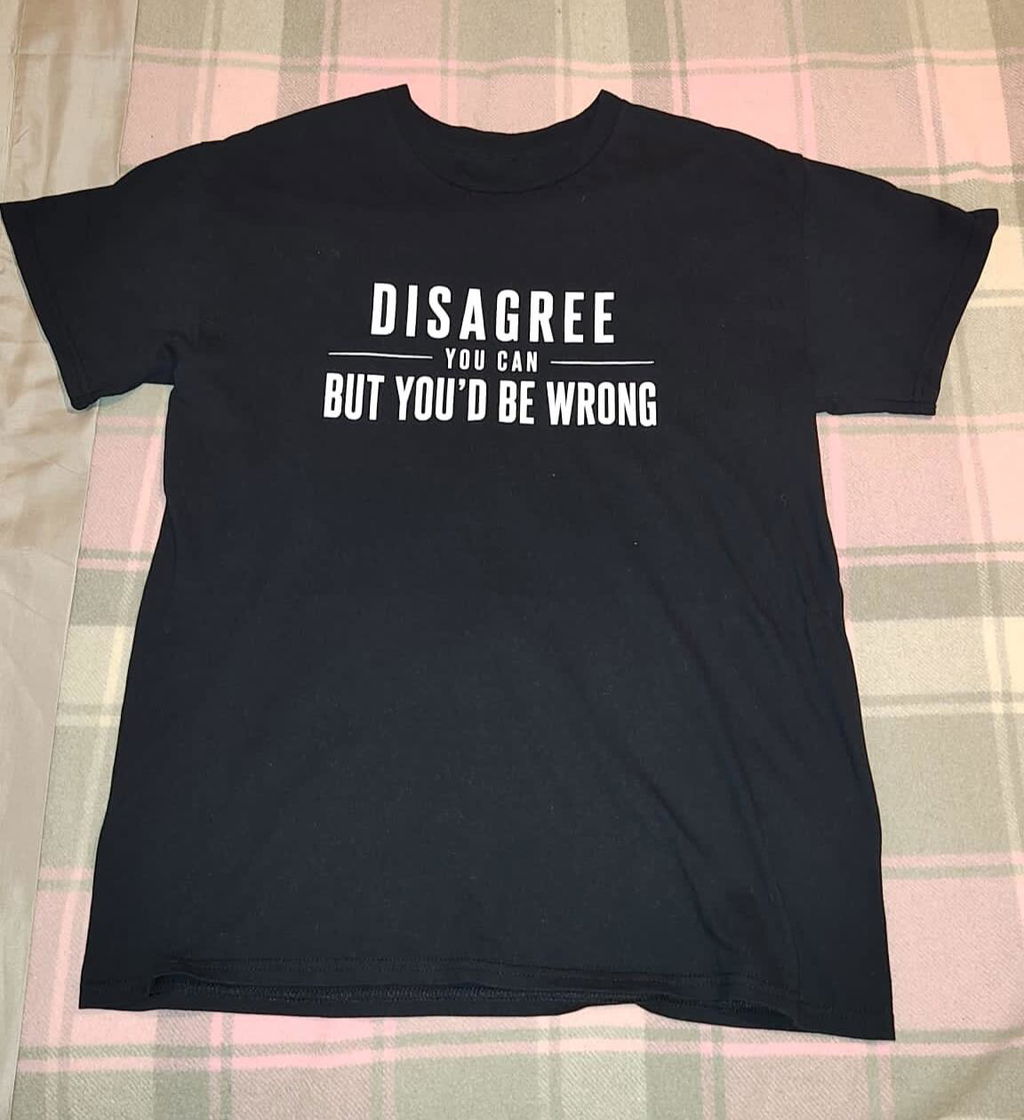
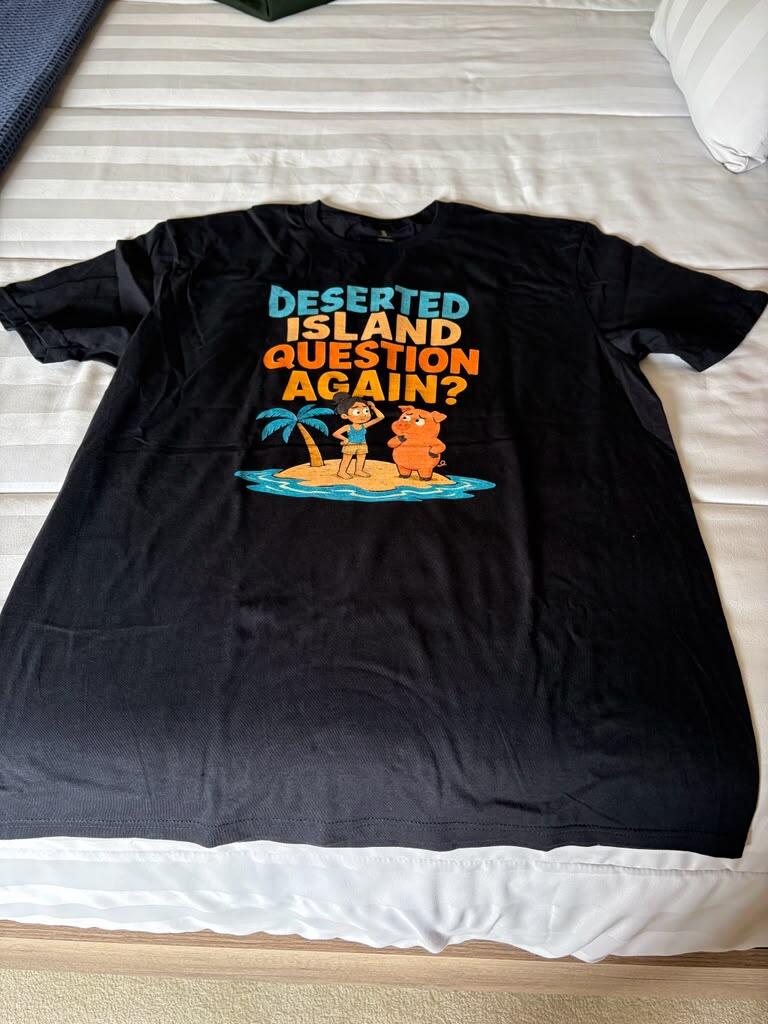
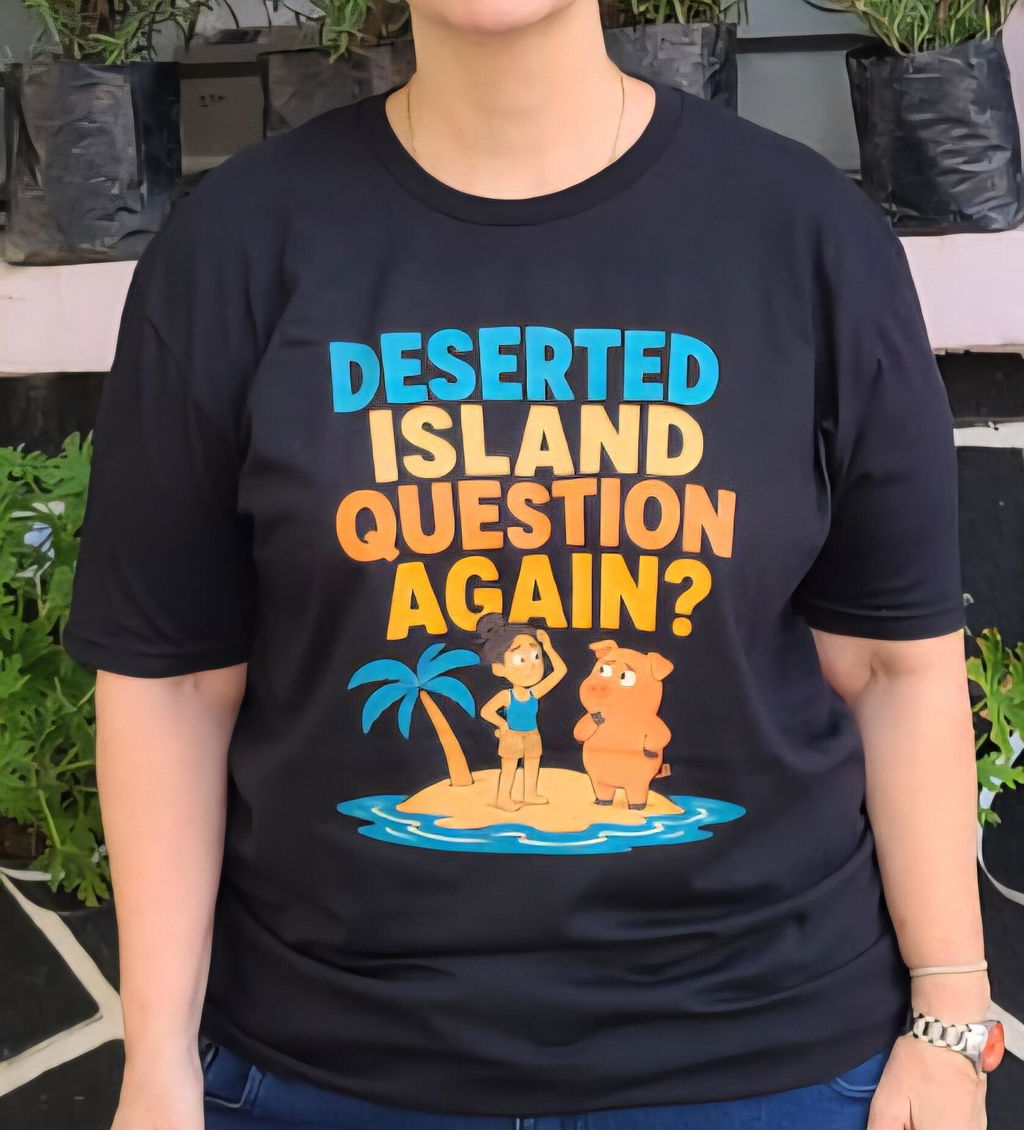
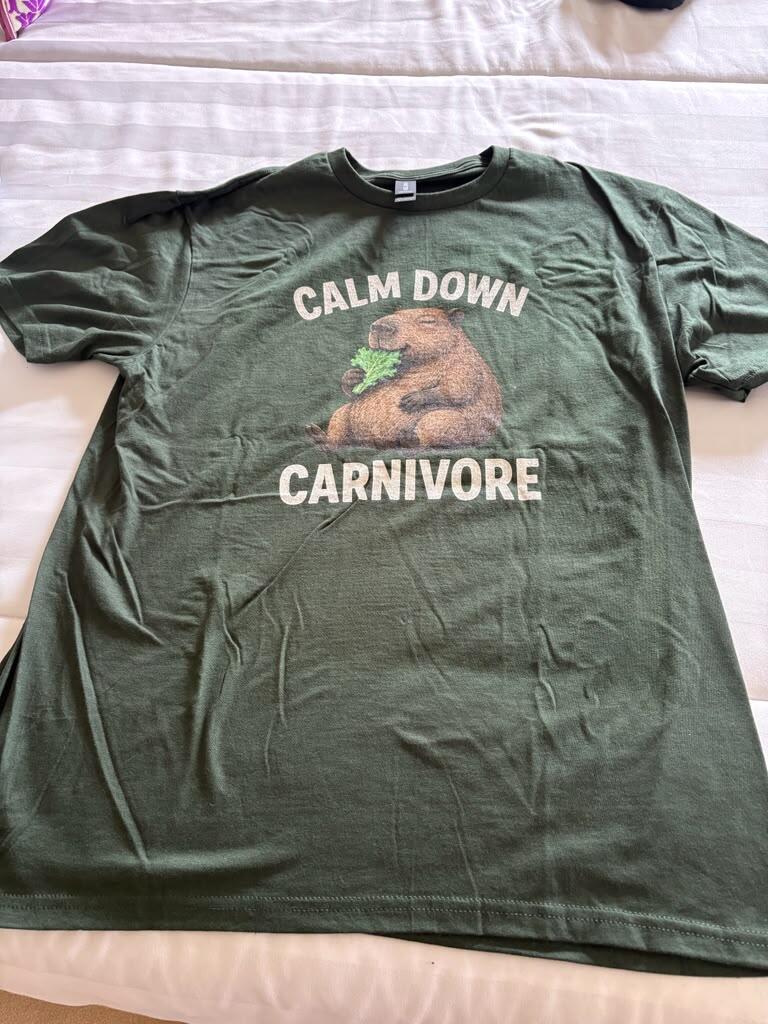
You can let the shirt do the work.
Final Thoughts
Vegans are not tired because people ask questions.
Vegans are tired because so many people ask the same questions without wanting the answers.
The protein question.
The bacon comment.
The lion argument.
The plant pain philosophy.
The cheese confession.
The “vegans always bring it up” accusation.
We have heard them.
We have answered them.
We have survived them.
At Not Like Most, we make shirts for people who are tired of explaining compassion like it is a personality flaw.
For the menu-checkers.
The protein-question survivors.
The “but bacon though” veterans.
The ones who know they are not lions.
The ones who are not here to be perfect just honest.
Because sometimes the best vegan comeback is polite.
Sometimes it is sharp.
And sometimes it belongs on a t-shirt.