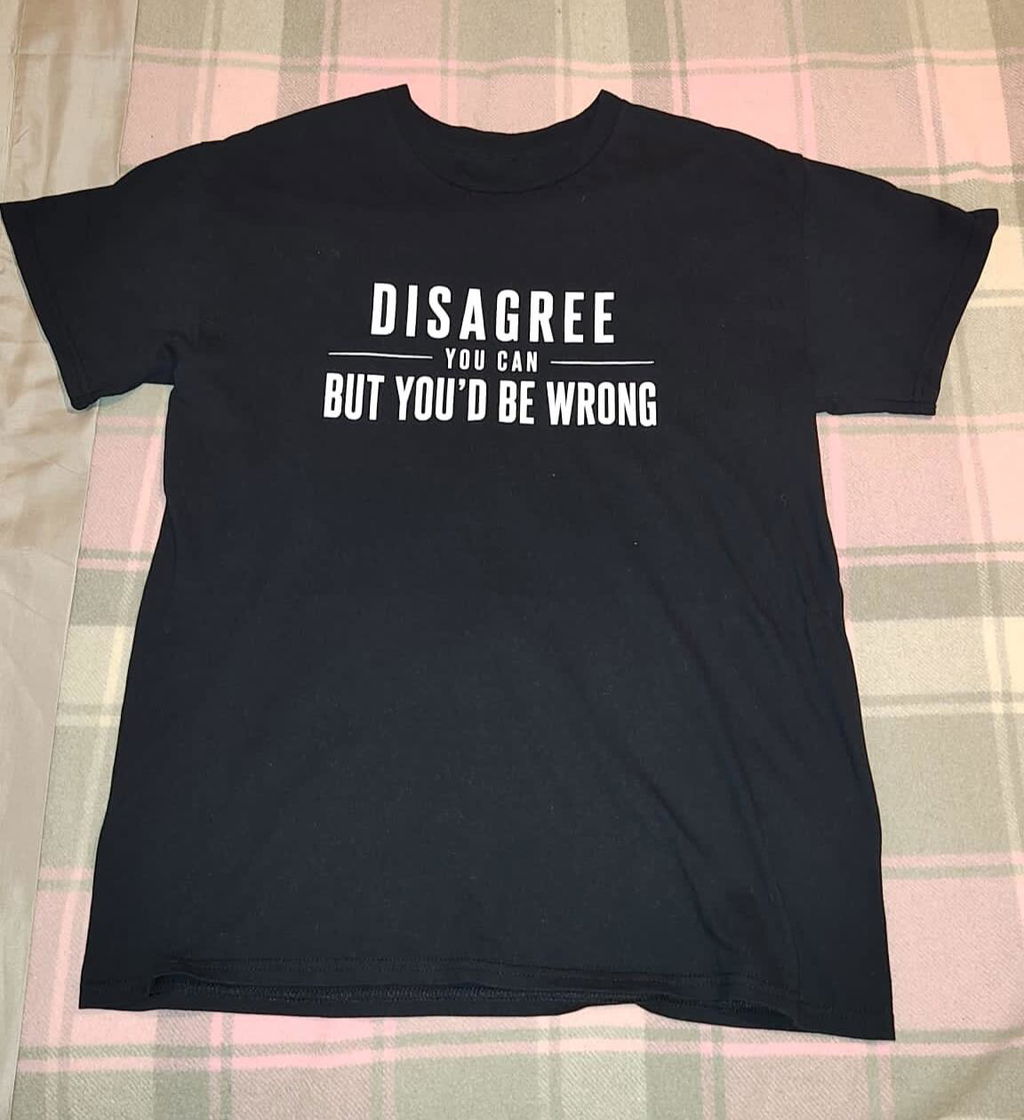
Apparently, we are in a friendship recession.
Not an economic one. Your bank account is safe from this particular crisis.
This one is about friends.
Americans are spending less time socializing than they used to. In 2025, only 30 percent of people participated in socializing and communicating on an average day, compared with 38 percent in 2015. Average time spent socializing also fell from 41 minutes to 35 minutes a day.
At the same time, friendship itself has not suddenly become unpopular. Quite the opposite. A 2025 AARP survey found that 95 percent of adults said friends are essential to a happy and healthy life.
So apparently we desperately value friendship.
We just do not necessarily want to go anywhere.
Honestly, that tracks.
We’re Lonely, But Please Don’t Make Us Go Anywhere
There is something deeply modern about staring at your phone thinking:
I really should see people more.
Then receiving an invitation to actually see people and immediately thinking:
Oh God. Not like that.
We want connection.
We want friendship.
We want someone we can call at midnight because something terrible happened.
We just do not necessarily want drinks at 7:30 on a Wednesday with six people we barely know.
There is a difference.
Maybe that is why so many of us have become selectively social rather than antisocial.
We like people.
Just not indiscriminately.
Welcome to the Selective Socializing Society.
Membership is intentionally limited.
Adult Friendship Has Become Weirdly Complicated
When you were eight, making a friend was easy.
“Do you like dinosaurs?”
“Yes.”
Friendship established.
See you tomorrow.
As an adult, friendship apparently requires compatible schedules, similar energy levels, geographic convenience, emotional availability, shared interests, approximately seventeen rescheduled dinners, and somebody finally saying, “Screw it, are you free Thursday?”
And even then, Thursday somehow becomes next month.
Work gets in the way.
Kids get in the way.
Partners get in the way.
Life gets in the way.
Then one day you realize the person you once saw three times a week is now someone you send a birthday message to every twelve months that begins:
“We seriously need to catch up soon!”
Neither of you makes any attempt to catch up.
The ritual is complete.
The Group Chat Is Now the Waiting Room of Friendship
The group chat has become one of humanity’s strangest social inventions.
Twenty seven unread messages.
Three memes.
One person asking if everyone is free Saturday.
Nobody answering that question.
Someone reacting to a message from four hours ago with a skull emoji.
Another person suddenly announcing they have bought a house.
Then silence for eleven days.
Technically, everyone is still friends.
A 2025 analysis from the Survey Center on American Life found that fewer than half of American social media users said they often connected with close friends while using social platforms. In other words, being constantly connected online does not necessarily mean we are actually connecting.
Which explains how you can know what someone had for breakfast without knowing how they are actually doing.
Maybe We Don’t Need More Friends
Here is where things get interesting.
The phrase friendship recession makes it sound as though fewer friends must automatically be a bad thing.
Sometimes it absolutely is.
Research has found a substantial increase in Americans reporting no close friends compared with previous decades. In a 2021 national survey, 12 percent said they had no close friends, compared with just 3 percent in 1990. Nearly half of Americans reported having three or fewer close friends.
And more recent research suggests those friendship networks have not simply bounced back. A later Survey Center on American Life study found 17 percent of Americans reporting no close friends.
That matters.
But there is another side to this.
Having fewer friends is not necessarily the same as having worse friendships.
Because maybe some of us have simply stopped collecting people.
At some point you realize friendship is not Pokémon.
You do not actually have to catch them all.
Three people who know exactly who you are might be worth considerably more than thirty people you feel obligated to perform around.
We Might Just Be Getting Pickier
Growing up seems to involve gradually discovering how expensive your time and energy actually are.
At twenty, someone says:
“Want to come to this party? You won’t know anyone.”
Sure.
At forty:
“Want to come to this party? You won’t know anyone.”
I would rather reorganize the cutlery drawer.
Somewhere along the way, many of us stopped asking:
“Will people like me?”
And started asking:
“Do I actually like these people?”
That is quite a plot twist.
Suddenly the friendships maintained entirely through obligation become harder to justify.
The friend who only calls when they need something.
The person who turns every conversation into a competition.
The friend you have known for fifteen years even though, if you met them today, you probably would not exchange phone numbers.
History is not always compatibility.
And longevity is not automatically closeness.
Small Talk Has Lost Some of Its Charm
Maybe people have also become less interested in relationships that live permanently on the surface.
“How’s work?”
“Busy.”
“How are the kids?”
“Good.”
“Crazy weather.”
“Yeah.”
Absolutely electric stuff.
For some people, small talk is easy.
For the rest of us, congratulations on your lifetime membership in the Small Talk Survivors Club.
Some of us would rather have one conversation at 1:00 a.m. about whether we are wasting our lives than seventeen conversations about traffic.
That does not mean we hate people.
It might just mean we prefer depth over volume.
There Is Also the Slight Problem That People Are Exhausting
Beautiful creatures, humans.
Compassionate.
Funny.
Generous.
Interesting.
Also capable of sending “???” because you did not reply to a message within eleven minutes.
Friendship has quietly acquired some strange expectations.
You should reply.
React.
Remember.
Attend.
Check in.
Comment.
Congratulate.
Console.
Send the birthday message.
Join the group dinner.
Watch the forty six videos somebody sent you.
Apparently friendship now comes with notifications.
No wonder sometimes People Are Exhausting.
That does not mean relationships are not worth the effort.
Good ones absolutely are.
But maybe the distinction we are getting better at making is between effort and drain.
Good friendship requires effort.
Bad friendship requires recovery.
Those are not the same thing.
The Rise of the Selectively Social
Maybe this is why being selectively social feels so relatable now.
It is not necessarily:
“I hate everyone.”
It is more:
“I really like my people, and I am increasingly uninterested in pretending everyone is my people.”
There is something refreshing about that.
You can be friendly without being available.
You can care about people without wanting a giant social circle.
You can enjoy company and still want to go home after two hours.
You can love your friends and still stare lovingly at a canceled plan notification.
Two things can be true.
Three Good Friends Beat Thirty People You’d Hide From at the Grocery Store
Imagine walking through the grocery store.
You spot someone you vaguely know at the end of the aisle.
They have not seen you.
You immediately become deeply interested in canned tomatoes.
We have all done it.
And perhaps that tells us something.
A huge social circle can look impressive from the outside, but the number matters considerably less than the quality.
The people who let you be strange.
The people you do not have to impress.
The people who know when something is wrong because you used a period instead of an emoji.
The people who can sit beside you doing absolutely nothing without feeling compelled to fill the silence.
Those friendships are different.
They are not social obligations.
They are home.
So, Are We Actually in a Friendship Recession?
The numbers suggest something real has changed.
People are spending less time socializing, friendship circles have shrunk, and a meaningful number of people report having no close friends at all. That deserves to be taken seriously.
But maybe another change is happening alongside it.
Maybe some of us are becoming less willing to maintain relationships simply because we always have.
Less interested in performing friendship.
Less interested in collecting acquaintances.
Less interested in pretending we enjoy environments we hate.
And considerably more protective of the friendships that actually matter.
Maybe we do not need a hundred people.
Maybe we need our people.
The ones who understand our weirdness.
The ones who do not require a filtered version of us.
The ones who know that “I don’t feel like going out” does not secretly mean “convince me.”
And the ones who understand the greatest expression of adult friendship:
Canceling plans together and being equally relieved about it.
Maybe we are not all becoming antisocial.
Maybe we are just finally becoming selective.
And frankly, the guest list was getting a little crowded.